-
 中文
中文
 EN
EN
- Hotline : 0086 13929201380
- E-mail : susan@zkhtdefoamer.com gdzhonglianbang@gmail.com
-

-
ZILIBON DEFOAMER CHEMICAL
中文
EN
Silicone defoamers are primarily synthesized through the polymerization of propylene glycol or glycerol with propylene oxide, ethylene oxide, and similar compounds, catalyzed by potassium hydroxide. Characterized by rapid defoaming action, strong stability, and the absence of discoloration issues, they are suitable for use across most silicone-based defoamer applications requiring both foam elimination and suppression.
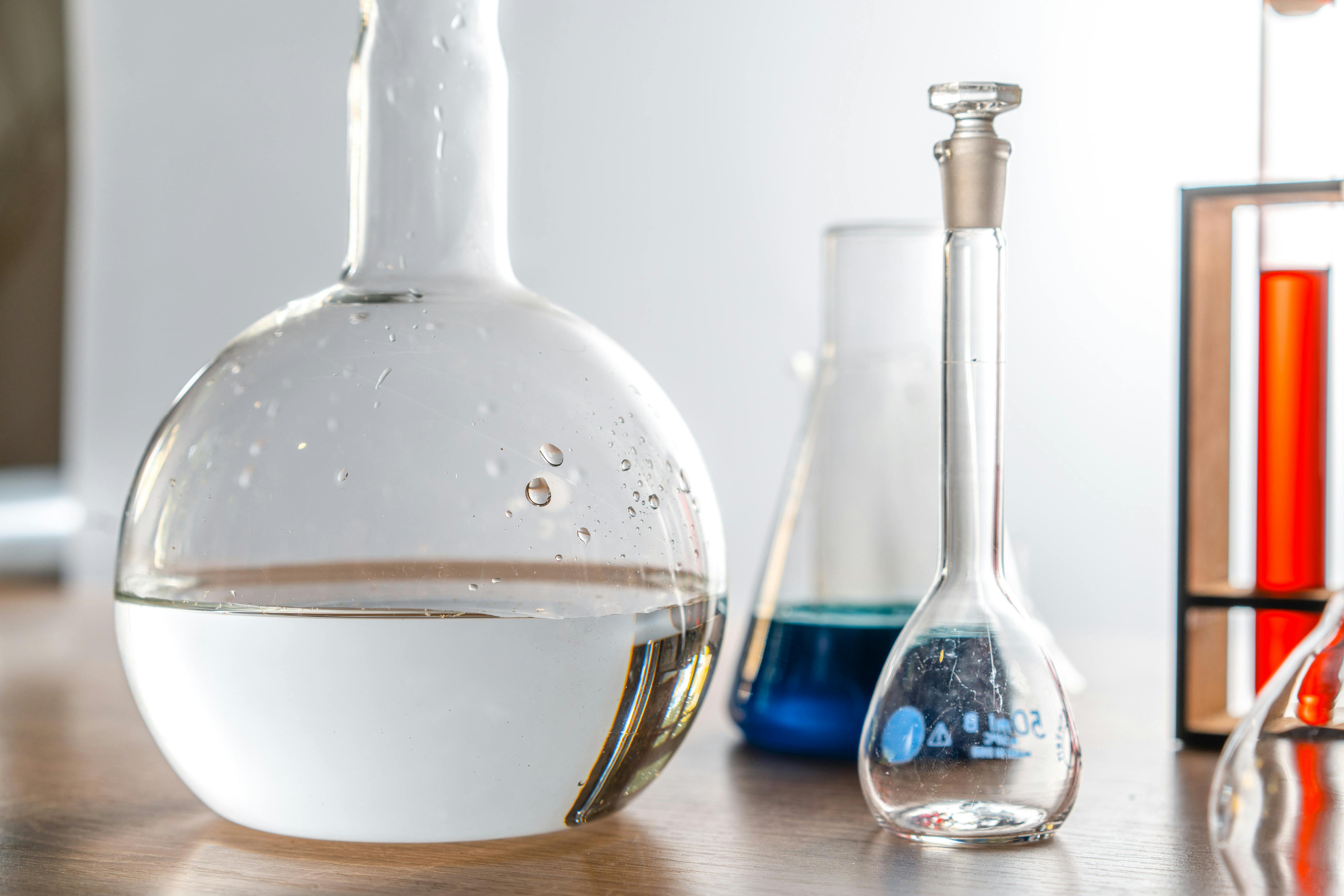
The core function of silicone defoamers is to rapidly eliminate and suppress foam generated during manufacturing processes. Thanks to their high defoaming efficiency, chemical inertness, resistance to extreme temperatures, and the requirement for only minimal dosages, they have become an indispensable auxiliary agent in modern industry.
Recommended Dosage:
The recommended addition rate for silicone defoamers is 0.05% to 0.3% of the total product volume; however, the optimal and most economical dosage should be determined following specific process trials. Alternatively, the defoamer may be used after being thoroughly blended with other powdered auxiliary agents.