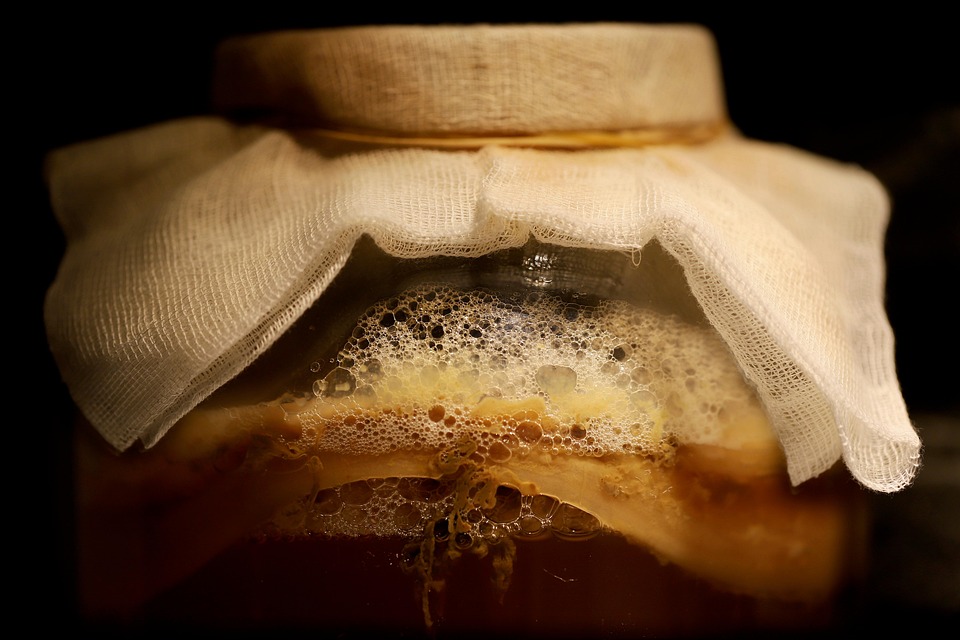
Industrial fermentation defoamers are composite, food-grade standard agents typically utilized in a wide range of fermentation processes—including microbial fermentation, fermentation extraction, dairy fermentation, yeast fermentation, alcohol fermentation, brewing, feed fermentation, bio-fermentation, bacterial fermentation, and edible mushroom cultivation—to effectively eliminate and suppress foam.
The generation of foam during industrial fermentation is a normal phenomenon. The volume of foam is influenced, on one hand, by factors such as agitation and aeration, and on the other, by the specific properties of the culture medium. Protein-rich raw materials—such as peptone, corn steep liquor, soybean meal, and yeast extract—act as the primary foaming agents. High dextrin content within the medium also contributes to foam formation.
Foam behavior during fermentation typically manifests in one of the following patterns:
*Foam levels remain constant throughout the entire fermentation process;
*During the early stages of fermentation, foam levels initially rise but then decline steadily, subsequently stabilizing at a constant level;
* In the initial phase of fermentation, foam levels decrease slightly before beginning to rise again;
* At the onset of fermentation, foaming potential is low but gradually increases over time;
*A combination of the aforementioned patterns.
The manifestation of these patterns is contingent upon various factors, including the type of substrate used, the intensity of aeration and agitation, and the sterilization conditions. Among these factors, organic nitrogen sources within the substrate (such as soybean meal) are the primary contributors to foaming. Furthermore, the presence of abnormally high levels of foam can serve as an indicator of contamination by extraneous bacteria or bacteriophages within the fermentation batch.
Consequently, while foam generation is an inherent part of the fermentation process, it requires prompt and effective management. Industrial fermentation defoamers have been specifically developed to address the unique characteristics of fermentation processes. They can be added directly to the fermentation broth alongside the raw materials; the typical dosage ranges from approximately 0.01% to 0.05%, though the precise amount should be adjusted based on the actual foam conditions observed on-site.
These industrial fermentation defoamers are specialized agents refined through proprietary processes to ensure biological inertness. Compliant with food-grade standards, they are designed to be added directly to the fermentation broth—either alongside the initial raw materials or via subsequent continuous addition/supplementation following high-temperature sterilization—in a manner tailored to the specific fermentation protocol. These defoamers effectively resolve common challenges associated with fermentation, such as maintaining stability during pre-fermentation high-temperature sterilization, suppressing foam without inhibiting bacterial growth during the fermentation phase, and preventing scale accumulation within the fermentation tank. Moreover, they offer additional advantages, such as ease of separation from the final product and simplified cleaning of the fermentation vessel after the process is complete.
 中文
中文
 EN
EN